Calisthenics for Beginners: Where to Start
Calisthenics means training with your own bodyweight. You need very little equipment, every movement scales to your level, and the skills you build (pull-ups, handstands, levers) stay with you. Here is how to start without getting lost or hurt.
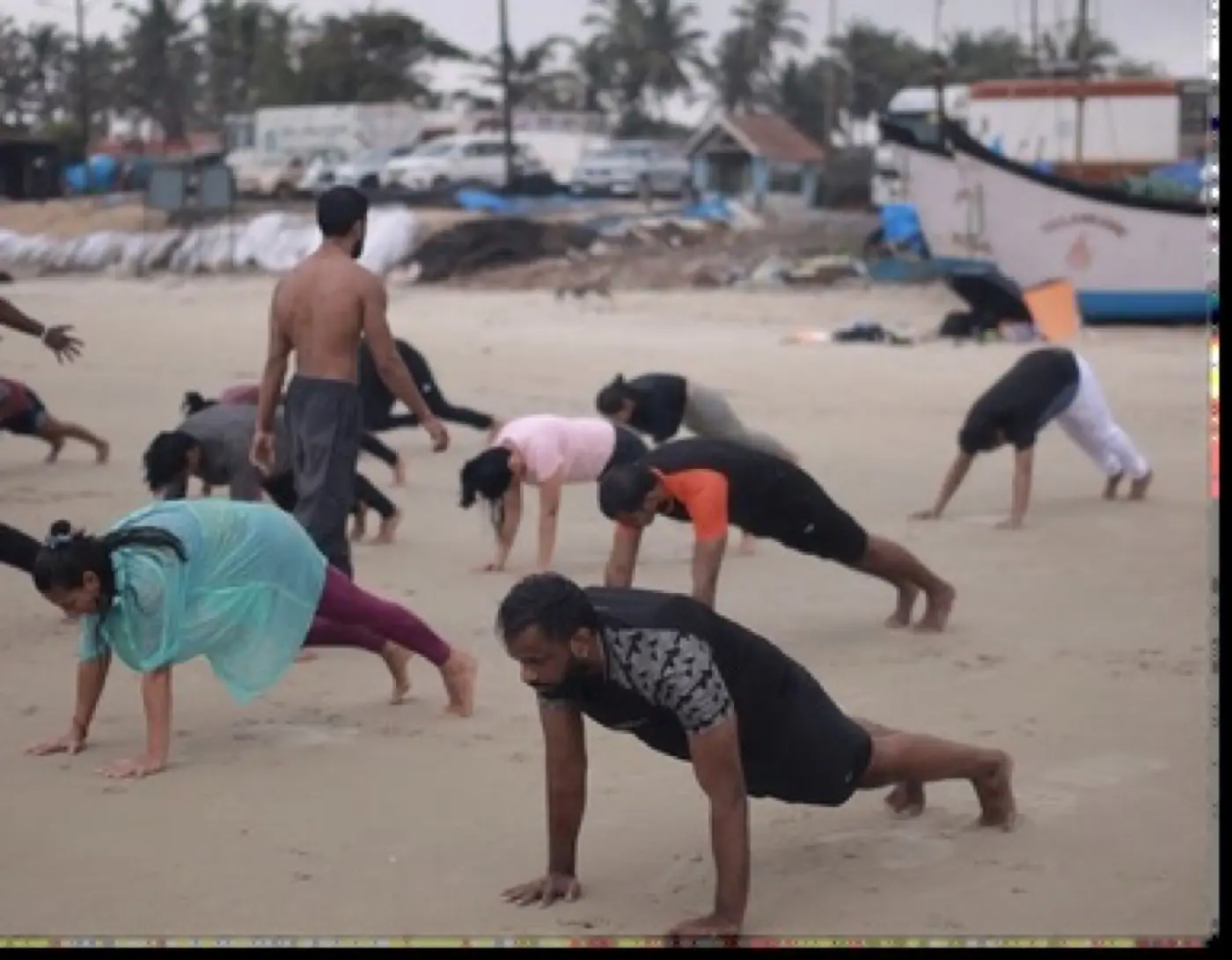
Start with five foundations
- Push-ups: start on a bench or wall if a full push-up is not there yet.
- Rows: on a low bar or rings, the beginner version of a pull-up.
- Squats: full depth, heels down, chest up.
- Dead hangs: build grip and shoulder health for later pulling work.
- Hollow body hold: the core position behind almost every calisthenics skill.
How often to train
Three full-body sessions a week is plenty for the first couple of months. Leave a day between sessions so your joints and tendons can catch up with your muscles. They adapt more slowly, and that is where most beginner injuries come from.
Progress by changing the exercise, not just the reps
Calisthenics progresses through harder variations: wall push-ups become incline push-ups, then full push-ups, then deeper or slower ones. Once you can do 3 clean sets of 10–12 reps, move to the next variation and drop your reps back down.
Common beginner mistakes
- Chasing advanced skills before the basics are solid.
- Doing sloppy reps to hit a number.
- Skipping mobility and warm-ups.
- Training to exhaustion every session instead of building consistently.
Train with a group
Group batches give you structure, coaching on every rep and people to train with, which is what keeps most beginners consistent. All our adult batches are coached by level, so first-timers and experienced athletes train side by side.